

Assisted living can support social connection by creating regular opportunities for conversation, shared activities, friendships, and participation in everyday community life. For residents and families in Philipsburg, PA, this social support may be especially valuable when living alone, transportation limits, winter weather, or changes in health make it harder to stay connected at home.
Social connection is more than having people nearby. It includes feeling recognized, included, useful, and comfortable enough to take part in daily life. A well-designed assisted living setting can make those experiences easier to access without requiring residents to plan every interaction independently.
How does assisted living reduce loneliness?
Assisted living reduces loneliness by building social opportunities into the daily routine. Meals, activity periods, common areas, wellness programs, and informal conversations create repeated chances to see familiar people.
At home, a person may go several days without meaningful interaction, particularly after retirement, the loss of a spouse, or a change in driving ability. In assisted living, social contact is often available throughout the day rather than limited to occasional visits.
This does not mean every resident must participate constantly. Some people prefer quiet time or smaller gatherings. The benefit is having choices nearby, including:
- Eating with others instead of preparing every meal alone
- Sitting in a lounge or activity room
- Joining a discussion, game, craft, or exercise session
- Greeting neighbors in hallways or shared spaces
- Taking part in seasonal celebrations or group traditions
Regular, low-pressure contact can be just as meaningful as large social events.
What kinds of activities help residents form friendships?
Activities that encourage conversation and repeated participation tend to be most effective. A single event may be enjoyable, but ongoing groups give residents time to become familiar with one another.
Examples may include:
- Card games, puzzles, or board games
- Walking groups or indoor movement programs
- Book, music, or current-events discussions
- Gardening, crafts, cooking, or baking activities
- Religious or reflective gatherings
- Movie afternoons and shared entertainment
- Birthday, holiday, or seasonal celebrations
- Reminiscence conversations about work, family, hobbies, and local life
The activity itself is not always the main reason people attend. A resident may join a craft session because it offers a comfortable setting for conversation. Another may attend exercise classes because seeing the same group regularly creates a sense of belonging.
Programs are most useful when they include different ability levels. A resident who cannot stand for long periods should still be able to participate in a meaningful way.
Can assisted living help residents maintain independence while being social?
Yes. Social connection and independence are not opposites. Residents may choose when to join activities, whether to eat in a dining area or private space, and how much assistance to accept.
Maintaining independence can also involve continuing familiar roles. A resident may help arrange decorations, welcome a new neighbor, share a recipe, lead a discussion, or care for plants. These contributions can reinforce identity and purpose.
Staff support may make participation possible without taking control away from the resident. For example, a person with mobility limitations might need transportation to a group activity, a suitable chair, or extra time to get ready. The goal is to remove practical barriers while allowing the resident to decide what feels comfortable.
Families can ask whether residents are encouraged to make choices, take part in planning, and continue hobbies that matter to them.
How do shared meals affect social well-being?
Shared meals provide one of the most consistent opportunities for social interaction. Eating with others can create routine, conversation, and a reason to gather even on days when a resident does not feel motivated to attend a formal activity.
Dining routines can also help staff notice changes in mood, appetite, or behavior. If a normally social resident begins eating alone or skipping meals, that change may signal sadness, illness, fatigue, or difficulty adjusting.
Some residents need time before they feel comfortable at a shared table. Smaller seating arrangements, familiar tablemates, and respectful introductions may help. Dietary needs, hearing difficulties, and personal preferences should also be considered because discomfort during meals can discourage participation.
What if a resident is shy or does not like group activities?
A resident does not need to enjoy large groups to benefit from social connection. Individual conversations, paired activities, quiet lounges, and small gatherings may be more appropriate.
Adjustment often takes time. Moving from a private home into a shared setting can bring grief, uncertainty, or concern about losing control. A person who declines activities during the first few weeks may simply need a slower introduction.
Helpful approaches include:
- Offering two or three choices rather than a crowded schedule
- Starting with short activities
- Introducing the resident to one person at a time
- Connecting activities to previous interests
- Respecting a “no” without giving up on future invitations
- Watching for settings that are too noisy, fast-paced, or physically demanding
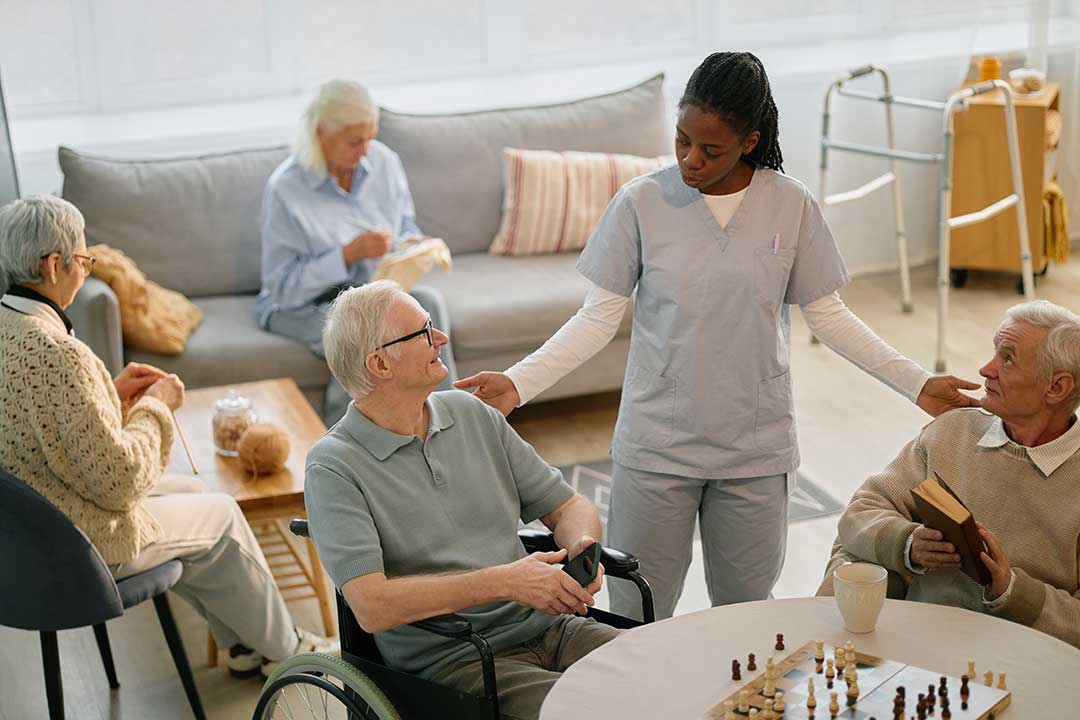
Social participation should be encouraged, not forced. Genuine connection is more likely when residents feel safe and respected.
How can families support social connections after a move?
Families can support social adjustment by staying involved while also allowing new relationships to develop. Visits are valuable, but residents may also benefit when relatives ask about neighbors, activities, and daily routines rather than focusing only on medical updates.
Useful questions include:
- Who did you sit with at lunch?
- Was there an activity you enjoyed this week?
- Is there a hobby you would like to continue?
- Are there times of day when you feel most alone?
- Would you like help bringing photographs, music, or personal items that encourage conversation?
Phone and video calls can help during periods of difficult weather or when travel is not practical. In Philipsburg, winter conditions and shorter daylight hours may make outdoor visits or independent travel less convenient, so planning indoor visits and maintaining regular communication can be especially helpful.
Family members should also share information about the resident’s past interests, conversation topics, cultural traditions, and preferred routines. These details can help others form more natural connections.
Does social connection affect physical and emotional health?
Social connection can support emotional well-being, daily motivation, and a sense of purpose. Conversation and shared activities may encourage residents to move more, eat regularly, follow routines, and communicate concerns.
Connection is not a cure for depression, anxiety, memory loss, or other health conditions. However, withdrawal, persistent sadness, irritability, or sudden loss of interest should not be dismissed as a normal part of aging. These changes may deserve discussion with the resident’s healthcare provider.
Social needs can also change over time. A resident who once enjoyed busy group activities may later prefer quieter visits because of hearing loss, fatigue, vision changes, or cognitive changes. Adjusting the type and pace of interaction can help preserve dignity and participation.
What should families ask when comparing social opportunities?
Families can learn more by asking specific questions rather than relying on general statements about activities. Useful questions include:
- How are new residents introduced to others?
- Are activities offered in the morning, afternoon, and evening?
- Are there small-group or one-to-one options?
- Can residents continue personal hobbies?
- How are residents included if they have mobility, hearing, or vision limitations?
- Are shared meals encouraged without making them mandatory?
- How are signs of isolation identified?
- Can family members participate in appropriate events?
- How are activities adjusted during severe winter weather?
The strongest social environment is not necessarily the one with the longest activity calendar. It is the one where residents have meaningful choices, repeated chances to interact, and support that reflects their abilities and preferences.
